
Research By: Saizal Agarwal
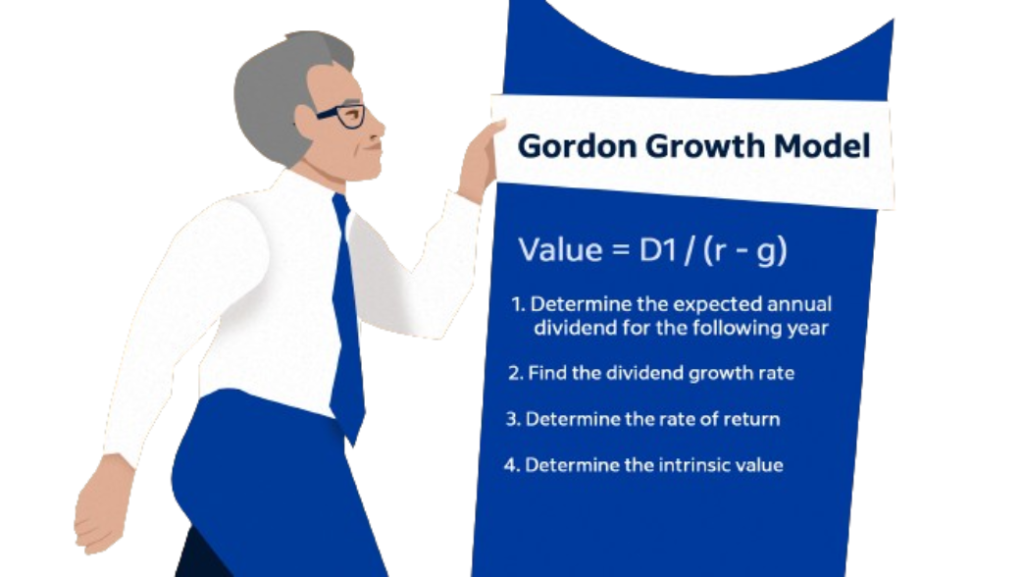
Gordon Growth Model (GGM) is a technique which is used to calculate the intrinsic value of a stock based on a sequence of future dividends that will increase at a steady rate. This is a widely used and uncomplicated version of the dividend discount model (DDM). The GGM solves for the present value of an endless series of future dividends under the assumption that dividends will grow at a constant rate in perpetuity.
The Gordon Growth Model (GGM), named after economist Myron J. Gordon, calculates the fair value of a stock by examining the relationship between three variables:
Formula:
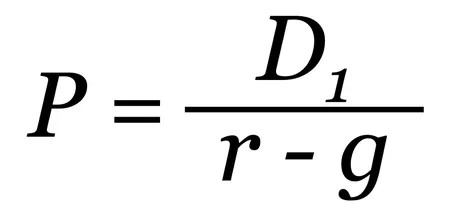
Where,
g = Expected yearly growth rate of the dividend per share is shown by the dividend growth rate. This growth rate is taken to stay constant over the course of the valuation period in the single-stage Gordon Growth Model.
r = This figure determines the lowest rate at which equity owners must be willing to consider making an investment in a company. This rate accounts for the typical return expected from other stock market opportunities with comparable risks.
D1 = Declared dividend amount for each outstanding equity share, expressed as a per-share figure that represents the expected revenue for shareholders, is known as the Dividend Per Share.
Assumptions of the Gordon growth Model:
- Company exists forever and pays dividends per share that increase at a constant rate.
- The company’s business model is stable; i.e. there are no significant changes in its operations.
- The company has stable financial leverage
- The company’s free cash flow is paid as dividends
Example: ITC Limited, a major Indian conglomerate, is known for its consistent dividend payments and could be a good example for applying the GGM.


Comments
Log in to comment and join the discussion.
No comments yet. Be the first to comment.