
Written By: Nishant Parsad
When financial markets turn volatile, investors often scramble to protect their money. While many rush to find "safe investments", the smartest investors know that avoiding bad investments is just as crucial as picking good ones. Imagine you’re walking through a street filled with open manholes. The key to safely getting to the other side isn’t just about choosing the right path - it’s about avoiding the dangerous holes in the ground.
Similarly, in uncertain times, knowing which sectors and companies to avoid can save you from major financial losses. In this article, we’ll break down industries that become particularly risky during economic downturns and highlight safer alternatives.
Banks with High Exposure to Real Estate and Commercial Vehicles
Banks are the backbone of any economy, but some carry far more risk than others - especially those heavily involved in real estate and vehicle loans. When a financial crisis hits, these are often the first loans to turn bad.
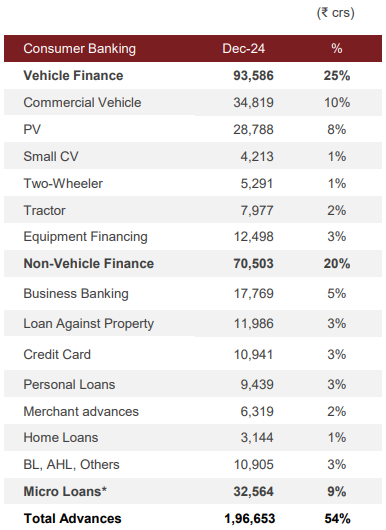
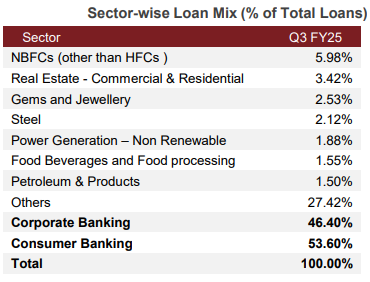
Take IndusInd Bank and RBL Bank as examples. IndusInd Bank has about 3.42% of its loans tied to real estate and 25% of its loan book in vehicle finance (including three-wheelers and commercial trucks) (as of Q3-FY25). Imagine an economic slowdown—builders struggle to sell homes, transport businesses cut costs, and defaults rise.
A lesson from history: During the 2008 global financial crisis, banks heavily exposed to real estate collapsed under bad loans. Even in India, many financial institutions with real estate exposure faced serious liquidity issues. Today’s investors should be wary of banks with large loan books in these vulnerable sectors.
Small Finance Banks and Microfinance Institutions
Small finance banks and microfinance institutions play a crucial role in lending to small businesses and low-income borrowers. However, their greatest strength—the ability to lend without collateral—is also their biggest weakness during downturns.
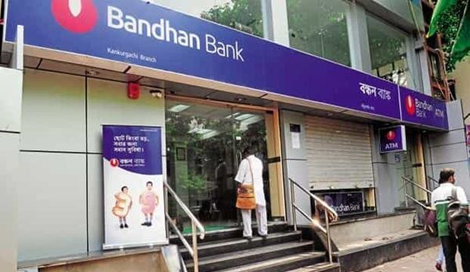
Consider Bandhan Bank, a major microfinance player in India. During protests in Assam, the bank’s collection efficiency fell from 88% to 78% (in 2021), showcasing how quickly external disruptions can hurt financial stability. When the economy slows, borrowers with unsecured loans—who often rely on daily earnings—fail to repay, creating a chain reaction of defaults.
These institutions may thrive during stable times, but in a financial crisis, they can become some of the riskiest bets for investors.

Public Sector Undertakings (PSUs): Profits vs. Politics
Public Sector Undertakings (PSUs) might seem like safe bets because they have government backing, but that’s exactly where the problem lies. Many PSUs are forced to prioritize social and political goals over profitability, making them vulnerable during financial crises.
Look at companies like Indian Oil, ONGC, Coal India, and NTPC—they often have to sell products at government-regulated prices, even if it leads to losses. Similarly, PSU banks frequently lend to politically influenced projects that may not generate strong returns.
During economic downturns, governments might impose fuel subsidies, price caps, or forced lending to support struggling industries, further eroding profits. Investors looking for stability should approach PSUs with caution during turbulent times.
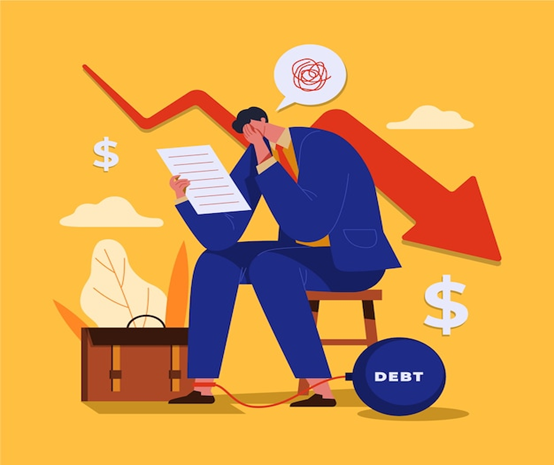
Highly Leveraged Sectors: The Danger of Debt
Some industries thrive on borrowed money during good times, but when a downturn hits, their high debt levels become a massive burden.
- Airlines: Fixed costs like aircraft leases, fuel, and salaries don’t disappear even when flights are grounded. The COVID-19 pandemic highlighted how airlines can burn through cash rapidly.
- Hotels: With high overhead costs, hotels struggle when occupancy drops. During crises, business and leisure travel take a massive hit, making hospitality a risky sector.
- Hospitals: While essential, hospitals operate on high capital costs. During financial downturns, delays in payments and fewer elective procedures can strain cash flows.
For investors, these businesses might seem attractive due to their size and demand, but during crises, their financial structures make them vulnerable to significant losses.
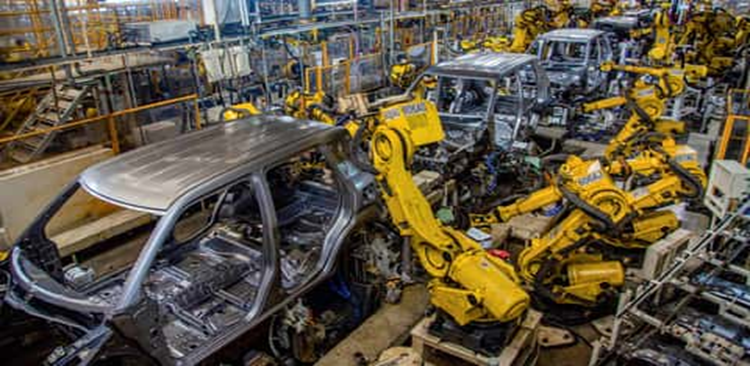
Auto and Auto Ancillary Companies: First to Feel the Pain
Buying a car isn’t a necessity—it’s a luxury for most consumers. When the economy slows, people postpone big purchases, making the automobile sector one of the first to suffer.



Comments
Log in to comment and join the discussion.
No comments yet. Be the first to comment.