



FY25 Performance: Non-Veg Products Made Up 96% of Sales
Chatha Foods made ₹157 crore in sales this year — 18% more than last year. This happened because the company added more products and got new restaurant clients.
It earned ₹42.3 crore before expenses, with a 27% profit on sales (a bit less than 28.7% last year) because more items were made by hand, which costs more.
The company earned ₹6 crore after tax. Its total value went up to ₹82.5 crore, thanks to money raised from its IPO.
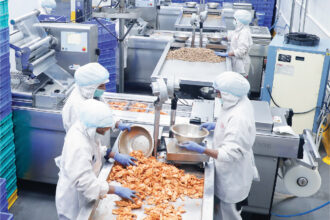
The non-veg factory ran at 80% and brought in 96% of total sales.
Big Growth Plan: ₹550 Cr Target by FY28 from Veg Plant & Alana JV
Chatha wants to grow its sales to ₹550 crore by 2028 through:
– A new veg food factory that can make ₹200–210 crore per year. 60% of this will be sold outside India. The factory will start small in 2026 and grow slowly. It can break even when it runs at 45%.
– A partnership with Alana to sell products in 85+ countries. It may bring in ₹180–190 crore per year and give better profits than chicken.
– The chicken business is also expected to grow 20% every year and could make ₹180–185 crore at full scale.
Selling Abroad, Using Machines & Making High-Value Foods
The company wants to sell in the US, UK, and Australia, not under its own name but through other brands — to save marketing costs.
It will sell items like samosas, stuffed parathas, tortillas, ready-to-eat rice, and gravies.
To reduce rising labour costs, the company is buying machines to help with food cutting and making. The new veg factory will use more machines and cost less to run than the chicken one.
Problems: Late Payments, Delays, and Few Big Clients
Some restaurant clients are taking longer to pay, so the company is trying to bring down the waiting period to 50–55 days.
The veg factory and the Alana project were delayed because of rain and design changes, but things are now back on track with better planning and new teams.
The company doesn’t plan to grow its own vegetables because it needs fewer compared to others.
It depends a lot on a few big clients, which is risky if they cut orders. To manage this, Chatha is signing 3–5 year contracts and looking for more clients in export markets.