
Written By: Ishwar Singh
In financial markets, the word “debt” often triggers alarm bells. Many investors instinctively associate debt with distressed companies, looming defaults, or fragile balance sheets. The prevailing belief is simple: debt equals danger. But is that really the case?
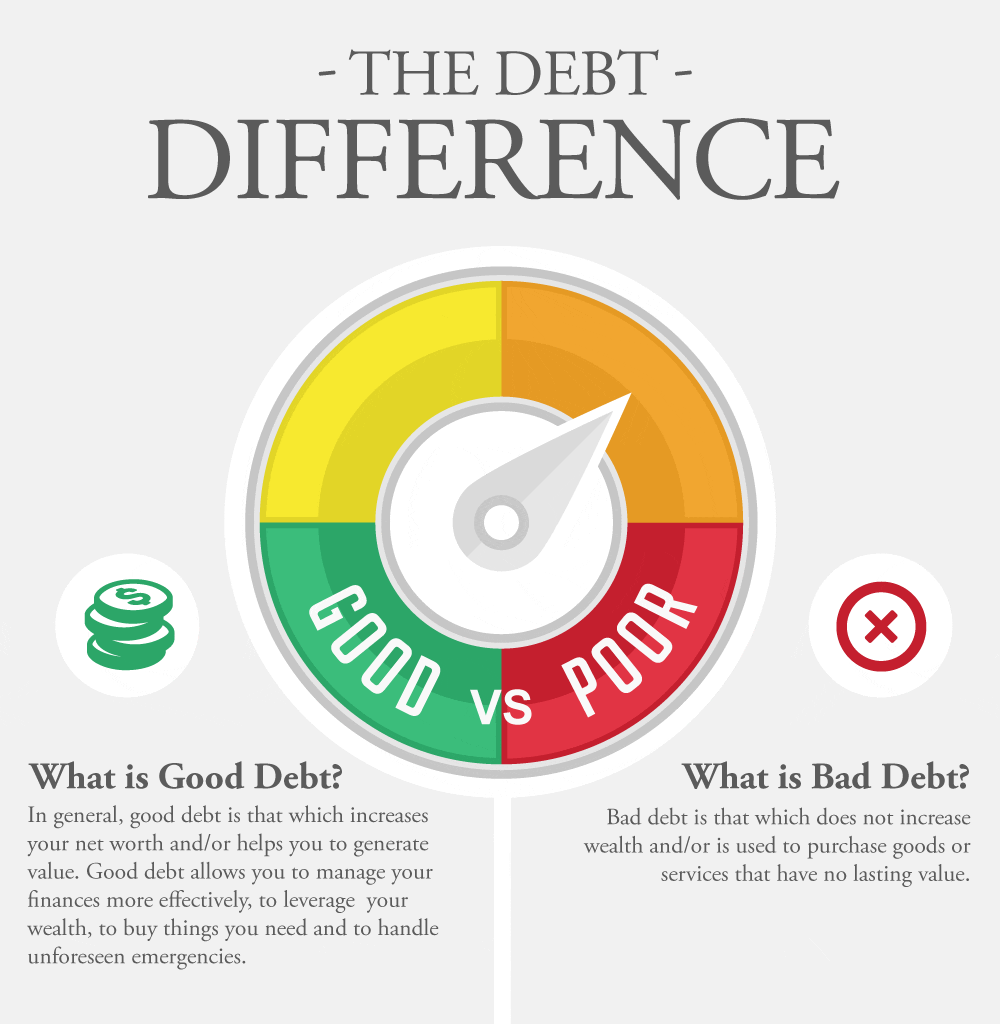
Debt is not inherently bad. In fact, when used wisely, it can act as a powerful catalyst for business growth. It can unlock capital to scale operations, fund expansion into new markets, or accelerate innovation often without diluting shareholder ownership. However, when poorly managed or overextended, debt can cripple cash flows, strain operations, and expose a business to heightened financial risk, especially during downturns.
Understanding Debt: What Is Corporate Debt?
Corporate debt refers to the money a company borrows from external sources to finance its operations, expansion plans, or strategic goals. This borrowing can take several forms—bank loans, bonds (both secured and unsecured), commercial paper, convertible debentures, or syndicated loans involving multiple lenders. Each instrument has its own risk, tenure, and repayment terms. For example, commercial paper is typically used for short-term liquidity needs (7 days to 1 year), and as of FY24, India saw CP issuances of over ₹5 lakh Cr annually. Bonds and term loans, meanwhile, often support long-term projects like capacity expansion, R&D, or acquisitions.
Companies opt for debt to avoid diluting ownership through equity, especially when interest rates are favorable or internal cash flows are insufficient. Debt also offers tax advantages, as interest payments are tax-deductible. For instance, in India’s 25.17% tax bracket, every ₹1 Cr of interest expense reduces tax by ₹25.17 lakh. This lowers the real cost of borrowing and enhances post-tax profits.
However, debt introduces fixed obligations that can strain cash flows during downturns. Efficient use of debt can enhance returns on equity through leverage, but mismanagement or overleveraging can lead to financial distress, defaults, or loss of investor confidence.
The Advantages of Using Debt
1. Lower Cost of Capital & Tax Efficiency
Debt is generally a cheaper source of financing compared to equity. One major reason is the tax shield: interest payments reduce taxable income. For instance, in India’s corporate tax regime, a ₹1 Cr interest payment saves up to ₹25.17 lakh in taxes.
By contrast, dividends are not tax-deductible. This makes debt 2–4% cheaper than equity in real terms, and using debt lowers the company’s Weighted Average Cost of Capital (WACC) a key determinant of valuation and investment attractiveness.
2. Enhanced Financial Flexibility & Ownership Preservation
Debt allows companies to raise funds without giving up ownership or control. Unlike equity financing—where issuing new shares dilutes existing shareholders—debt keeps control with current owners. For example, Nykaa’s promoters retained over 50% control even during expansion by choosing structured debt over equity.
Debt instruments can be customized. Working capital overdrafts, revolving credit lines, and term loans can be structured with flexible repayment terms and tenures. Moreover, accessing debt is often quicker and more straightforward than raising equity, which involves regulatory hurdles and market sentiment.
Additionally, India’s emergency credit line (ECLGS) during COVID-19 disbursed over ₹3.9 lakh Cr to MSMEs, showing how debt can preserve ownership and provide rapid liquidity.
3. Improved Returns Through Leverage
One of the most powerful benefits of debt is financial leverage. If the return generated from a project or investment exceeds the interest cost on borrowed capital, the excess return flows to equity holders. For example, if a firm borrows at 8% and earns 15% on the deployed capital, the spread of 7% boosts shareholder returns.
Marico Ltd, for instance, had a 39.5% Return on Equity (ROE) in FY24, despite being debt-free. That level of ROE, if supported by cheap borrowing, could theoretically scale even higher through leverage. Similarly, Hindustan Unilever strategically uses working capital loans while maintaining ROEs consistently above 30%.
However, excessive debt in volatile or low-margin sectors can backfire and increase insolvency risk. Strategic leverage requires strong risk management.
When Debt Becomes Dangerous

1. Financial Distress & Bankruptcy Risk
High levels of debt increase the risk of default, especially when cash flows are weak. As debt rises, lenders demand higher interest rates, increasing the company’s WACC. Bankruptcy leads to costly legal proceedings and damages reputation, operations, and stakeholder trust. Even well-performing businesses can fail if debt is poorly managed or becomes unserviceable.
Example: Jet Airways
Jet Airways collapsed under a debt burden of over ₹8,000 Cr by FY19. Its interest coverage ratio (ICR) fell below 1.0, meaning it couldn’t generate enough profit to even pay interest. Coupled with rising operational costs and dwindling revenues, the airline defaulted on loan repayments, grounded its fleet in April 2019, and entered bankruptcy proceedings.


Comments
Log in to comment and join the discussion.
No comments yet. Be the first to comment.