Example: Imagine you pay a premium of ₹200 for an option to buy Infosys shares at ₹1,000 per share anytime in the next month. This is called a "call option”. If Infosys' stock price rises to ₹1,100, you can exercise your option to buy at ₹1,000 and potentially sell at the higher market price, making a profit of ₹100 per share (minus the ₹200 premium). If the stock price stays below ₹1,000, you can choose not to exercise the option, limiting your loss to the ₹200 premium paid.
- How Companies benefit using Options: Companies utilize options to hedge against potential losses while keeping the opportunity for gains. For example, Maruti Suzuki might purchase options to buy steel at a fixed price. If steel prices soar, Maruti Suzuki can exercise the option and buy at the lower price, saving on production costs. If prices drop, they can let the option expire and purchase steel at the cheaper market rate, benefiting from the lower prices without being locked into a higher cost.
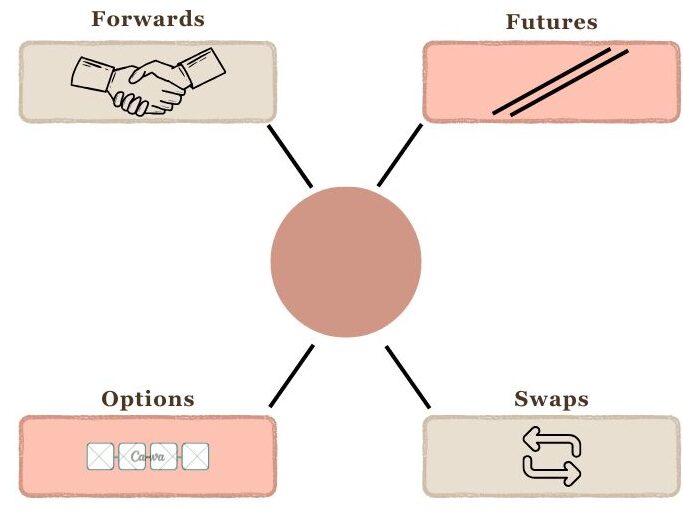
Swaps: A swap is an agreement between two parties to exchange financial obligations, like interest rates or currencies.
Example: Suppose two friends, Ravi and Sunita, have loans. Ravi has a loan with a fixed interest rate, and Sunita has one with a variable rate. They agree to swap interest payments because Ravi thinks rates will drop, and Sunita prefers stability. This way, they both get what they want.
Why Are Derivatives Important?
Derivatives might seem complex, but they serve vital purposes in finance:
- Risk Management: Companies use derivatives to hedge against price changes in commodities, currencies, or interest rates. For instance, an airline might use futures contracts to lock in fuel prices, protecting itself from sudden price spikes.
- Price Discovery: Derivatives markets help determine the future price of assets based on supply and demand expectations.
- Access to Assets or Markets: Investors can gain exposure to assets without owning them outright, which can be more cost-effective or practical.
Let’s take a case to understand how and why companies use it. (data might not be accurate as this is just to explain the concept.)
To understand how derivatives play a crucial role in a company's operations, let's dive into a story about Tata Motors, one of India's leading automobile manufacturers. We'll see how they use derivatives to manage risks, make informed decisions, and access markets efficiently.
Facing Multiple Challenges
Tata Motors deals with various challenges that can impact its profitability:
- Commodity Price Fluctuations: The company requires large quantities of raw materials like steel and aluminum. Prices of these commodities can be volatile.
- Currency Exchange Risks: Tata Motors exports vehicles worldwide, dealing with multiple currencies like the US dollar and euro.
- Investment Opportunities: The company seeks efficient ways to invest surplus funds without excessive risk.
1. How Risk Management helps them?
Protecting Against Commodity Price Fluctuations
Concerned about the rising prices of steel, Tata Motors decides to use futures contracts to lock in current prices for future purchases.
- What They Do: They enter into futures contracts to buy steel at ₹50,000 per ton for delivery in six months.
- Benefit: This shields them from potential price hikes. Even if the market price rises to ₹55,000 per ton, Tata Motors still pays the lower, agreed-upon price, stabilizing production costs.
Hedging Currency Risks
With significant earnings in foreign currencies, fluctuations in exchange rates can affect profits.
- What They Do: Tata Motors uses currency options (basically options contracts for currencies) to hedge against the rupee strengthening against the dollar.
- Benefit: If the rupee strengthens, making each dollar earned worth fewer rupees, the option allows them to exchange at a more favorable rate. This ensures predictable revenue from international sales.
2. How Price Discovery helps them?
Making Informed Purchasing Decisions
Tata Motors monitors the futures markets to gauge where commodity prices are heading.
- What They Do: They observe that futures prices indicate aluminum costs might drop in the next quarter.
- Benefit: Knowing this, they decide to delay large aluminum purchases. When prices drop, they buy at the lower rate, saving money on production costs.
3. How Access to Assets or Markets helps them?
Efficient Investment Strategies
Looking to invest surplus cash reserves, Tata Motors wants exposure to the stock market without managing individual stocks.
- What They Do: They purchase index options linked to the Nifty 50.
- Benefit: This gives them the potential to profit from overall market movements without the complexity of holding multiple stock positions. It’s a cost-effective way to invest in the market's growth.
(Company’s name is used only for illustration purposes)



Comments
Log in to comment and join the discussion.
No comments yet. Be the first to comment.