
Research By: Saizal Agarwal
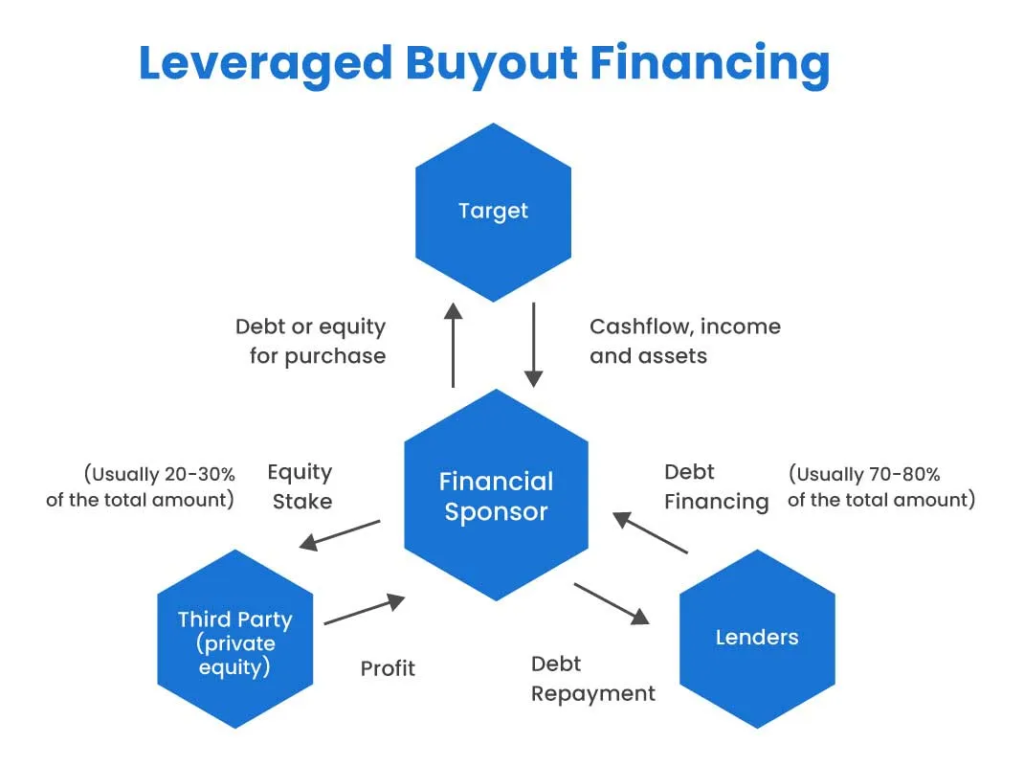
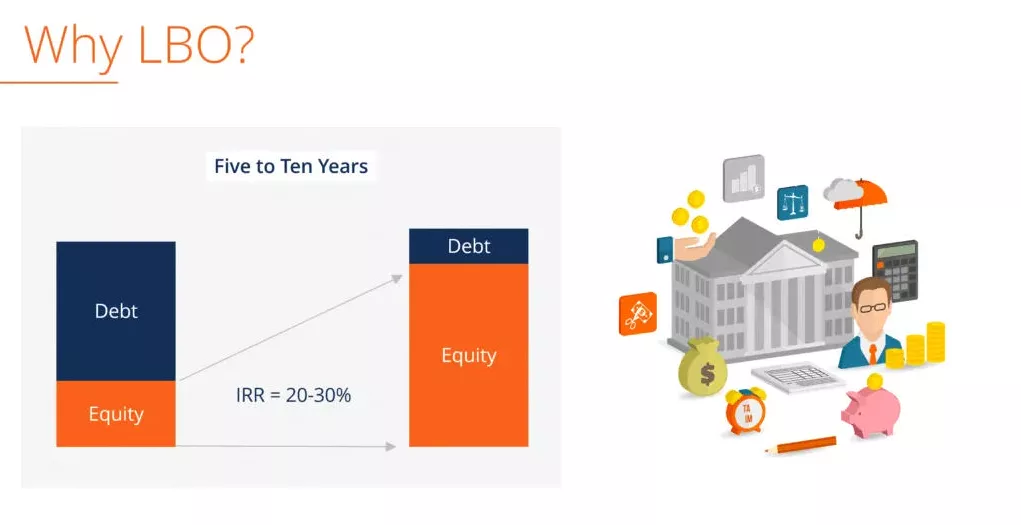
A leveraged buyout (LBO) is the acquisition of one company by another using a significant amount of borrowed money to meet the cost of acquisition. The borrowed money can be in the form of bonds or loans. The assets of the company being acquired are often used as collateral for the loans along with the assets of the acquiring company. In a leveraged buy-out (LBO), the ratio is usually 90% of debt vs. 10% of equity. Although an acquisition by means of a loan can be complex and take time, it can benefit both the buyer and the vendor if it is done correctly.
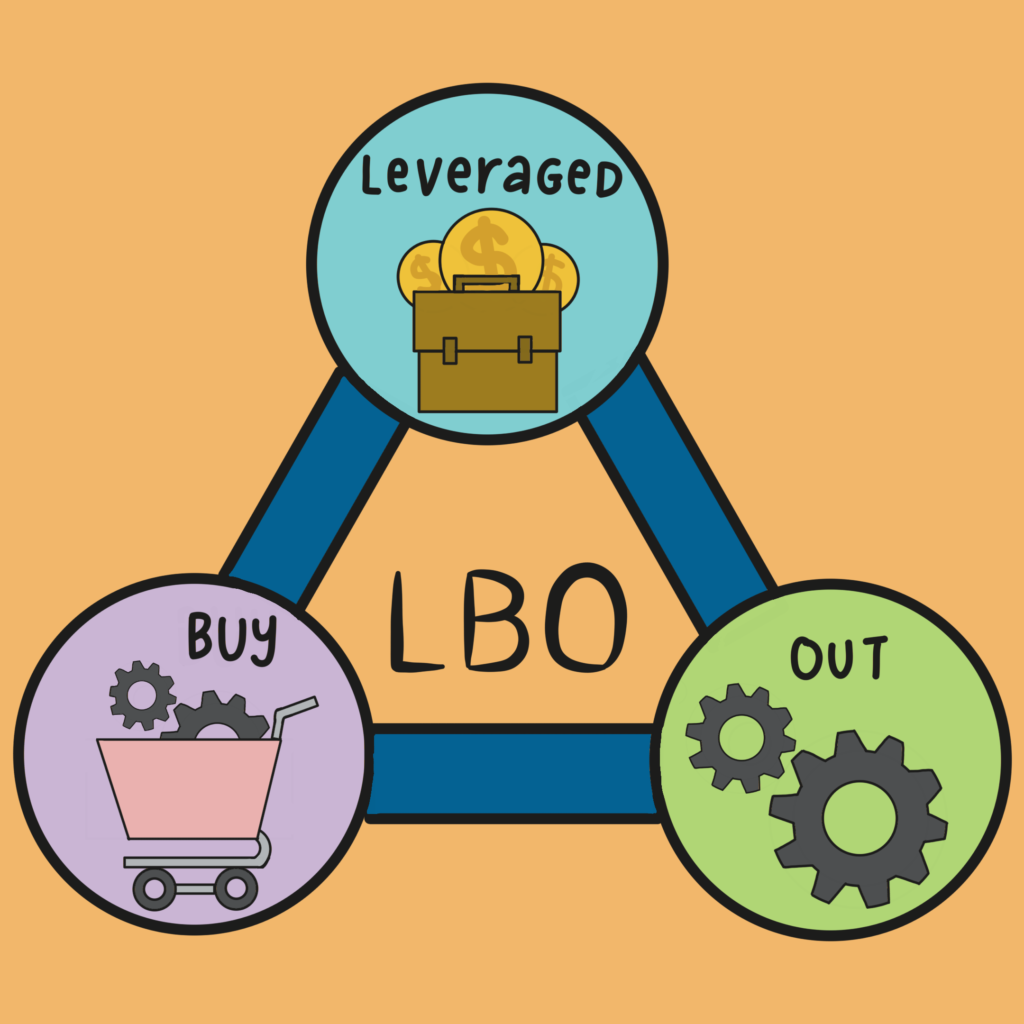
Purpose: The purpose of leveraged buyouts is to allow companies to make large acquisitions without having to commit a lot of capital.
How does a leveraged buyout (LBO) work?
The main steps in an LBO investment would typically include:
1. Screening: To find a good candidate for an LBO, public companies are screened by PE firms or LBO specialized firms.
2. Due diligence and modeling: To determine whether the target company could sustain the required debt load, a PE firm would carry out due diligence on the business and create financial models.
3. Strategy: A comprehensive, end-to-end plan would be created. To pay off the debt, this would entail buying the business, getting funding from equity investors, getting loan obligations, and figuring out what can be sold or split off.
4. Approach: In order to acquire a target, the PE sponsor would make contact with them.
5. Capital raise: Funding would be obtained from investors and a partnership would be formed.


Comments
Log in to comment and join the discussion.
No comments yet. Be the first to comment.