Complex or opaque financial structures are another potential red flag. If a company’s financial statements are difficult to understand or contain a significant number of off-balance-sheet transactions or special-purpose entities, it could be trying to hide liabilities or artificially inflate its earnings. Transparency is key in financial reporting, and companies that make it difficult to understand their financial position may be hiding something.
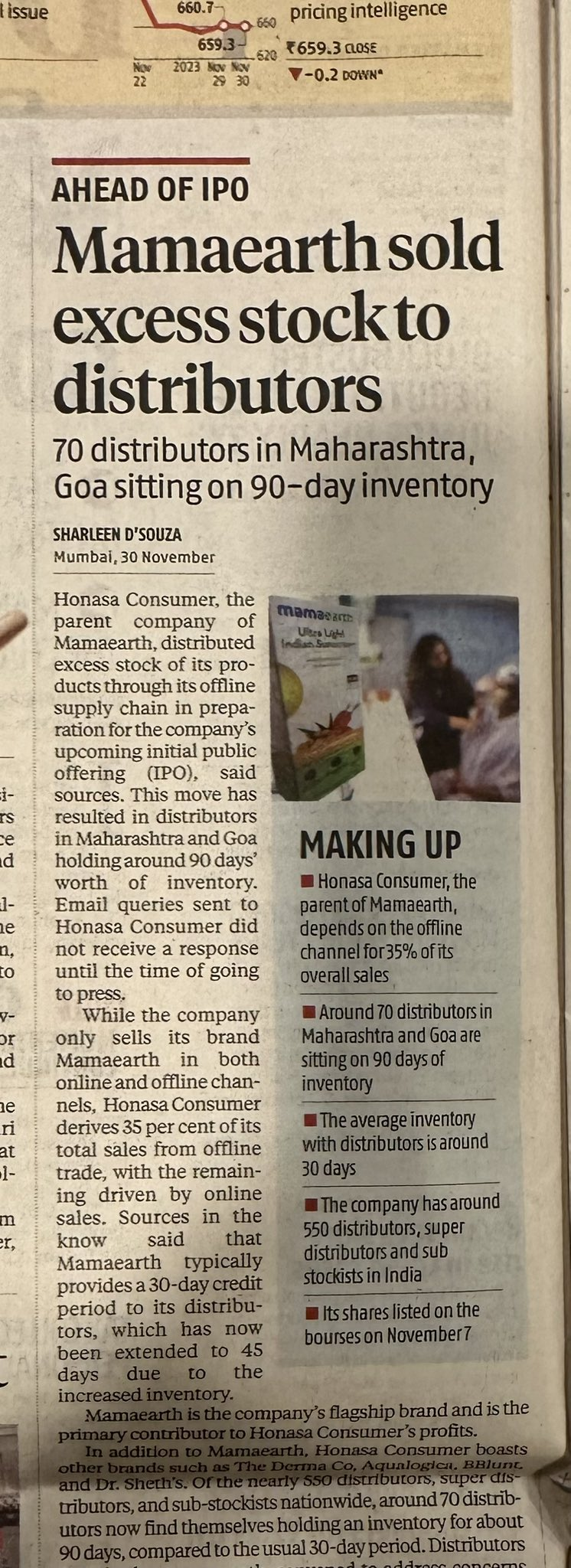
Lastly, high inventory levels can suggest that a company is inflating its financial position. If inventory is growing faster than sales, it could be an indication that the company is overestimating the value of its assets or delaying the recognition of expenses. It’s important to scrutinize the company’s inventory practices, especially if there are no clear explanations for significant increases.
Motivations Behind Inflating Profits
There are several reasons why companies or their management may resort to inflating profits. Often, the motivations are tied to the desire to present a stronger financial position to attract investment, secure loans, or maintain stock prices.
Meeting market expectations is one of the most common motivations behind profit inflation. Companies, particularly those publicly traded, face intense pressure from analysts, investors, and shareholders to meet or exceed quarterly earnings expectations. If a company is struggling to meet these targets, management may be tempted to manipulate the numbers to present a more favourable picture and avoid disappointing investors.
Another key motivation is securing financing. Companies may artificially inflate profits to make themselves appear more financially stable and attractive to potential investors or lenders. By presenting strong earnings, they can obtain better terms for loans or attract additional investment, which can then be used to fund operations or expansion.
Additionally, Performance-based compensation may be another driving factor behind profit manipulation. Many executives and managers have compensation packages tied to specific financial metrics, such as earnings per share (EPS) or revenue growth. If these targets are too ambitious, management may engage in unethical practices to meet them, even if it means misleading stakeholders or compromising the integrity of the company’s financial reporting.
Lastly, maintaining stock prices can drive management to inflate profits. A strong stock price is often seen as an indicator of a company's success, and it benefits not only the company but also its management team, especially, as stated earlier, if their compensation is tied to stock options or share prices. In this environment, some companies may resort to inflating profits to maintain the value of their stock and preserve the perception of financial health.
Other notable Examples of Corporate Frauds
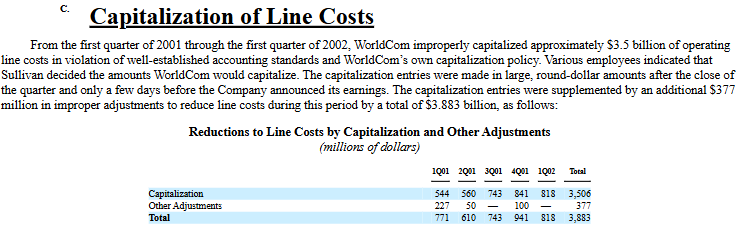
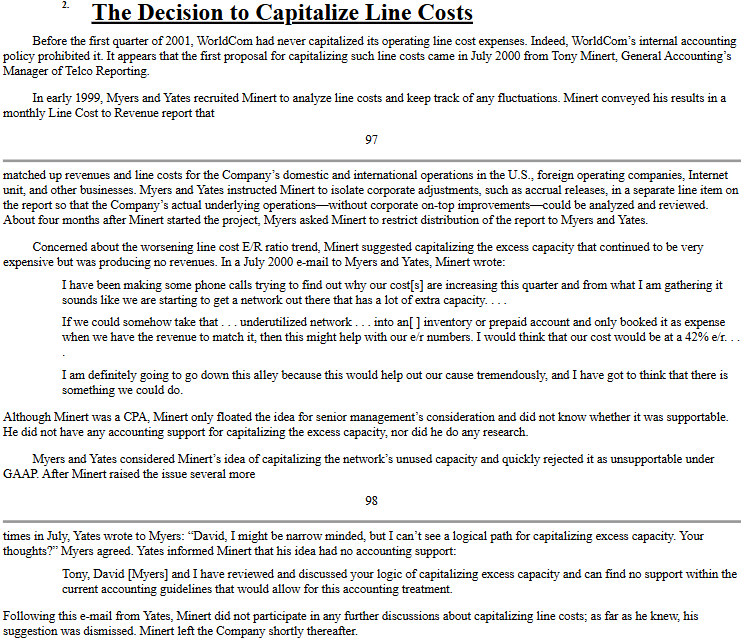
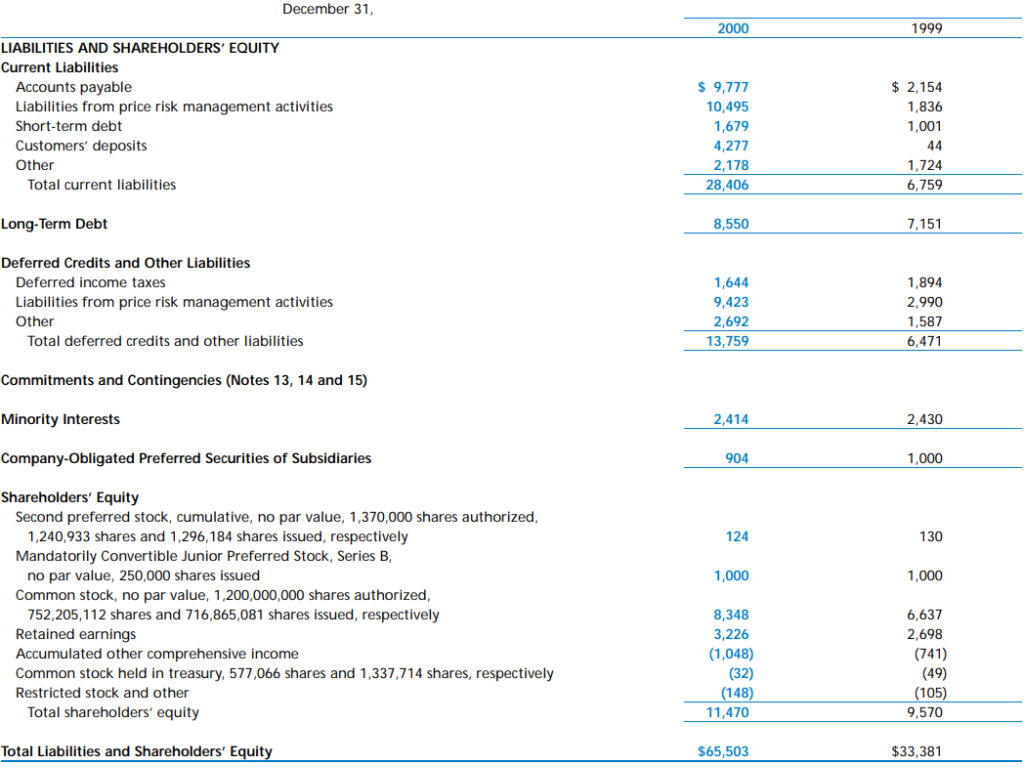
Several corporate scandals have exposed the consequences of inflating profits and manipulating financial data. Perhaps the most infamous of these is the case of
More recently, Kangmei Pharmaceutical, a Chinese company, was caught inflating its financials by overstating its cash holdings by $4.3 billion. The fraud was uncovered in 2019, and the company was forced to pay hefty fines and face severe regulatory scrutiny. These examples highlight the significant risks and consequences associated with inflating profits and manipulating financial data.
On the domestic front the Satyam scandal, often referred to as "India's Enron," involved the company's founder, Ramalinga Raju, who manipulated profits by inflating the company's financial statements. Raju confessed to overstating the company's profits and assets by over $1 billion. Satyam had falsely reported inflated revenues and profits for several years, misrepresenting its actual financial position to investors and auditors. The fraud led to the company's collapse and severe legal consequences for Raju and other top executives. Satyam was eventually acquired by Tech Mahindra in a government-mandated bid.
Similarly, Kingfisher Airlines, founded by businessman Vijay Mallya, is a prominent example of profit manipulation in India’s aviation sector. The company allegedly inflated its profits and misused funds, leading to financial misreporting. Kingfisher was reported to have hidden the scale of its losses and manipulated its balance sheets to give a false impression of profitability. Eventually, the airline went bankrupt, and Mallya faced numerous charges for financial mismanagement and embezzlement, leading to his fugitive status in India.
The list continues and many notable companies such as Reliance Communications (2006), Nestle India (2015), IndiaBulls Real Estate (2018) have been accused of indulging in such practices in the past.
Consequences for Companies and Individuals Involved
The consequences of inflating profits can be devastating. Legal penalties often include hefty fines for the company and long prison sentences for individuals involved in the fraud. For example, in the case of WorldCom, CEO Bernard Ebbers was sentenced to 25 years in prison, and the company was forced to pay billions in fines and settlements.
Reputational damage is another major consequence. Companies found guilty of financial fraud often suffer a loss of customer trust, which can lead to decreased sales, difficulty in retaining employees, and diminished brand value. The damage to a company's reputation can be irreparable, as customers and investors may choose to distance themselves from a business that has been involved in fraud.
Financially, companies face stock price declines, lawsuits, and the loss of investor confidence. The financial burden of penalties, legal fees, and fines can cripple a company’s ability to operate effectively, potentially leading to bankruptcy or liquidation.
In the face of these risks, maintaining ethical standards is crucial for any organization. Ethical business practices ensure transparency, build trust, and provide a solid foundation for long-term success. Companies that embrace ethics create a positive work environment, encourage innovation, and cultivate loyalty among customers and employees alike.
The Importance of Ethical Practices and Responding to Misconduct
If an individual comes across evidence of corporate misconduct, it is vital to respond appropriately. Reporting such behaviour to internal whistleblower channels, regulatory bodies, or the authorities is crucial. Many organizations provide confidential reporting mechanisms to protect whistleblowers from retaliation, ensuring that those who report unethical behaviour are safeguarded.
Long-Term Benefits of Ethical Business Practices
In the long term, adhering to ethical practices leads to more sustainable earnings and profitability. Ethical companies enjoy better relationships with investors, customers, and employees, all of whom value transparency and honesty. By prioritizing ethical behaviour, companies build strong foundations that foster growth, innovation, and resilience in times of economic uncertainty.
Investors are increasingly recognizing the importance of ethical business practices when making investment decisions. Companies with strong ethical standards are better positioned to navigate market challenges, mitigate risks, and create long-term value. Furthermore, ethical businesses are more likely to attract top talent and retain loyal customers, both of which are crucial for long-term success.
In conclusion, while the temptation to inflate profits may arise from various pressures, the long-term benefits of ethical business practices far outweigh the short-term gains of financial manipulation. Companies that prioritize integrity not only comply with legal standards but also build a foundation for enduring success and trust in the marketplace.



Comments
Log in to comment and join the discussion.
No comments yet. Be the first to comment.