



India’s headline Consumer Price Index (CPI) inflation for October 2025 came in at 0.25%, the lowest since the 2011-12 series began. The report describes the figure as “rock-bottom”, reflecting the sharpest cooling in over a decade.
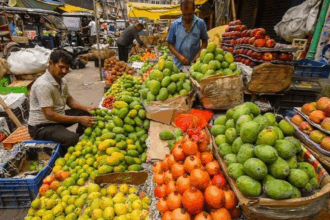
One key reason for this record-low reading is the reduction in Goods and Services Tax (GST) on several items, which the report says “shone” in pulling down the overall inflation figure. However, food deflation, a fall in food prices, played a major role too, and that is where the warning lights flash.
While the tax cuts helped reduce prices across several consumer categories, the decline in food prices may not be entirely good news. Moneycontrol highlights that such deflation often points to weak rural demand or structural stress in lower-income segments, especially when it persists over multiple months.
Experts quoted in the article caution that this extremely low CPI number may not necessarily signal a sustainable easing of inflationary pressures. Instead, it could partly reflect temporary or statistical effects, including the timing of GST cuts and base-year adjustments.
The piece also raises the possibility that such a low reading could influence the Reserve Bank of India’s (RBI) policy stance ahead of its December monetary policy meeting. With inflation well below the central bank’s comfort zone, a rate cut discussion could resurface, though policymakers may remain cautious if the decline stems from weak consumption rather than productivity gains.
For investors, the low inflation print might initially appear positive: it reduces pressure on interest rates and supports equity and bond markets. However, the underlying cause, falling food prices, could dampen rural consumption and hurt sectors tied to agriculture, fast-moving consumer goods (FMCG), and small-town retail.
From a macroeconomic perspective, India faces a delicate balance. Sustained low inflation driven by better supply and efficiency would be a boon. But if the softness stems from sluggish demand, especially in rural areas, it could slow growth momentum in the months ahead.
The key question is whether this is “true disinflation” or an early sign of rural strain.” Policymakers, markets, and businesses will all be watching the next few CPI prints closely to see if this rock-bottom figure becomes a turning point or a temporary dip.