



India’s economy is estimated to have expanded by 7.3% in Q2 FY26, according to a Moneycontrol poll of 11 economists, marking one of the strongest quarterly growth prints of the year. The momentum comes on the back of a favourable base, a revival in rural demand, and sustained government spending, positioning the economy for an impressive first half.
One of the primary contributors to this strong Q2 performance is the rural recovery, which has accelerated due to a better-than-normal monsoon and robust kharif sowing. These agricultural tailwinds boosted farm incomes and helped lift rural consumption indicators. Economists pointed to rising two-wheeler and tractor sales, lower NREGA demand, and improving rural wages as evidence of strengthening non-farm employment and income conditions.
Another boost came from the pre-festive inventory build-up, a seasonal factor that traditionally lifts manufacturing, logistics, retail, and wholesale sectors. Alongside this, the government’s continued focus on capital expenditure and resilient export performance during H1 helped support overall output.
For the full year, economists forecast FY26 GDP growth at 6.9%, with a broad range of estimates, from 6.3% to 7.3%, reflecting a largely optimistic but slightly cautious outlook. A key macro tailwind here is the expectation of very low inflation. The median forecast for CPI inflation is just 2.1% for FY26, creating a favourable backdrop for monetary policy easing.
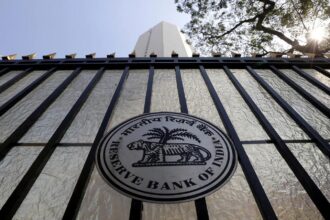
In line with this, 80% of surveyed economists expect the Reserve Bank of India (RBI) to cut rates in December, with most predicting a 25-basis-point reduction in the repo rate to 5.25%. The median probability assigned to a December rate cut is 70%, supported by softening inflation and the need to bolster private-sector investment.
However, the poll also highlights that the growth momentum may not sustain the same strength into the second half of FY26. While rural demand is rebounding, urban demand remains uneven, reflected in slowing passenger vehicle sales and weaker discretionary spending. Economists also warn that private sector investment remains tepid, especially in sectors like IT, where slower hiring and global uncertainty could drag sentiment.
Other risks identified include the fading impact of the low base, pressures from fiscal consolidation, and a slowdown in nominal GDP growth, which could complicate fiscal calculations even if real growth remains elevated. Additionally, global factors, such as tariff uncertainties and a slowdown in major export markets, may weigh on the external sector in H2.
Overall, the projected 7.3% growth in Q2 signals a strong performance led by rural strength, effective government spending, and stable prices. But sustaining this trajectory will require a pickup in urban consumption, stronger private investment, and steady global conditions. For policymakers and investors alike, the key question now is whether the strong Q2 reading marks the beginning of a durable upswing or the peak before moderation sets in.