




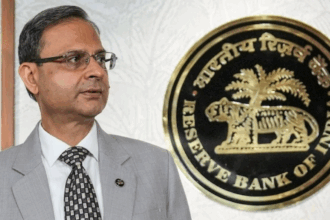
The Reserve Bank of India (RBI), through its Monetary Policy Committee (MPC) meeting held on December 3‑5, 2025, announced a 25 basis point reduction in the policy repo rate, bringing it down from 5.50% to 5.25%. Alongside, the Standing Deposit Facility (SDF) rate was reduced to 5.00%, while the Marginal Standing Facility (MSF) rate and bank rate remain unchanged at 5.50%. In a move to boost liquidity, RBI also announced government securities purchase worth ₹1 lakh crore through open market operations and a three-year US$ 5 billion dollar – rupee buy-sell swap in December. These steps are aimed at lowering borrowing costs and stimulating economic activity.
The rate cut has direct implications for home loans and EMIs in India. Many loans are linked to external benchmark lending rates, so a repo rate cut opens the possibility for banks to reduce lending rates, which can lower monthly EMIs for both new and existing borrowers. According to Anuj Puri, Chairman of ANAROCK Group, the move is a positive boost for the real estate sector, particularly in affordable and mid income segments, which are highly sensitive to interest rate changes. With housing prices in top cities reportedly up ~10% in 2025, lower borrowing costs could provide a much needed affordability cushion, making home purchases more feasible.
Developers across India have welcomed the rate cut. In premium markets such as Mumbai Metropolitan Region (MMR), NCR, and Pune, companies like Tribeca Developers highlight that lower EMIs can revive buyer demand. Some caution, however, that a weaker rupee is pushing up imported building material costs, which could squeeze margins if not managed carefully. Conversely, developers like Sterling Developers see an opportunity for broader real-estate investment, as lower borrowing costs improve financial predictability, encouraging both buyers and investors to enter the market.
While the cut is positive, its real impact depends on whether banks quickly pass it on to borrowers. If banks delay, EMI reductions may be limited. Similarly, imported material price pressures could offset benefits for developers, especially in premium segments. However, the policy may still revive demand in affordable and mid-income housing, with a possible boost for NRI buyers, who could benefit from favorable currency rates and lower borrowing costs.
For homebuyers, this is potentially a good time to buy, particularly in mid-income or affordable projects. Existing home loan borrowers should monitor announcements from lenders, as revised rates may reduce EMIs. Investors and NRIs may also find this environment favorable for property investment, given lower financing costs combined with currency-driven advantages.