




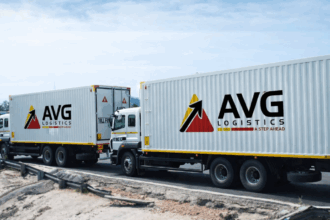
AVG Logistics Ltd has entered into a strategic partnership with Baidyanath LNG to encourage the use of liquefied natural gas (LNG) in India’s transportation sector. The move reflects a growing push by logistics and transport companies to adopt cleaner, more cost efficient fuel alternatives amid rising fuel costs and stricter emission norms.
The partnership aims to support the gradual shift from diesel-based transportation to LNG powered vehicles, especially in the long haul logistics segment. LNG is considered a cleaner fuel compared to traditional diesel, as it produces lower carbon emissions and reduces air pollution. With India focusing on sustainability and energy transition, such collaborations are gaining importance across the transport and logistics industry.
Under this partnership, AVG Logistics plans to explore the use of LNG trucks in its fleet, while Baidyanath LNG will provide fuel supply and related infrastructure support. The collaboration is expected to help build a reliable LNG ecosystem for freight movement, making alternative fuels more practical for commercial use.
For AVG Logistics, this step aligns with its long-term strategy of improving operating efficiency while reducing environmental impact. Fuel is one of the biggest cost components in logistics, and LNG offers potential savings compared to diesel, especially for vehicles covering long distances. Over time, this could help the company manage costs better and improve margins.
The Indian government has also been actively promoting the adoption of alternative fuels such as LNG, CNG, and electric vehicles to reduce dependence on imported crude oil and cut emissions. Policies supporting cleaner transport, along with rising awareness among businesses, are encouraging logistics players to rethink their fuel choices.
Industry experts believe LNG can act as a transition fuel for the transportation sector. While electric mobility is growing, it is still limited in heavy-duty and long-haul transport due to range and charging constraints. LNG offers a practical solution in the near to medium term, especially for trucks that travel across states and require quick refuelling.
The announcement of the AVG Logistics–Baidyanath LNG partnership appeared as a key update on EquityBulls’ stock report page, which tracks important corporate developments in Indian markets. The same page also listed other notable updates, such as IndiGo commencing operations from Navi Mumbai International Airport, Ola Electric securing a ₹366.78 crore PLI-Auto incentive, AGI Infra receiving RERA approval in Punjab, and Vikran Engineering winning a large EPC contract.
In the broader context, such partnerships highlight a clear shift in how transport and logistics companies are planning for the future. Sustainability is no longer just a compliance requirement; it is becoming a business strategy. Companies that adopt cleaner technologies early may benefit from lower costs, regulatory support, and improved brand perception.
While the financial impact of the partnership will unfold over time, the move sends a positive signal to investors and industry watchers. It shows AVG Logistics’ intent to stay aligned with evolving energy trends and government priorities.
In summary, AVG Logistics’ partnership with Baidyanath LNG marks a step toward cleaner and more efficient transportation in India. As fuel choices become a key factor in competitiveness, such initiatives could play an important role in shaping the future of the country’s logistics sector.