



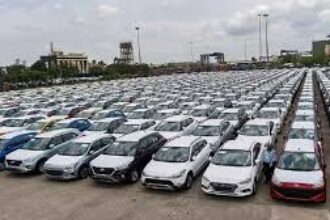
After GST cuts in 2025 made cars more affordable, Indian car buyers will now see prices rise again starting January 2026. At least nine major automakers, including Hyundai, Honda, Tata Motors, Renault, JSW MG Motor, Nissan, BYD, Mercedes-Benz, and BMW, have announced plans to increase ex-showroom prices. The hikes are expected to average up to 3%, affecting both mass-market and premium vehicles.
In September 2025, the Indian government reduced the Goods and Services Tax (GST) on cars. This move temporarily lowered prices, boosting demand and prompting many buyers to purchase vehicles before the year-end. The GST cut was particularly beneficial for vehicles in the sub-4-meter segment and compact SUVs priced under ₹10 lakh. These segments saw the highest demand growth following the tax reduction.
However, automakers now face rising costs that make it difficult to maintain profitability at current prices. Raw material costs, including steel, plastics, and other components, have been steadily increasing. Many car parts are still imported from abroad, and the Indian rupee’s depreciation against major global currencies has further raised costs for companies relying on foreign components. As a result, automakers are adjusting their prices to reflect these economic pressures.
The January 2026 price increases are also a common industry practice. Car manufacturers typically raise prices at the start of a new year after clearing old stock. This allows them to factor in production cost increases and maintain profit margins while aligning pricing with market conditions. While the average hike is around 3%, the actual increase varies depending on the company, model, and segment. Buyers of premium cars and imported vehicles may see slightly higher increases.
For consumers, this means the GST benefit from 2025 will gradually reduce. While cars are still cheaper than they were before the tax cut, the upcoming hikes will partially offset the earlier savings. Buyers planning to purchase a new car in early 2026 may want to act quickly, especially if they are interested in models that experienced significant price reductions last year.
The price adjustments are not expected to slow overall demand significantly. Industry experts believe that the market sentiment remains positive due to ongoing economic growth, increased credit availability, and rising urban and rural incomes. Additionally, the government’s push for electric vehicles (EVs) and hybrids is influencing consumer choices. Although EV penetration in India is still around 5–7%, hybrids are gaining traction as an alternative due to the limited EV charging infrastructure. This shift may also influence automakers’ pricing strategies for internal combustion engine (ICE) and hybrid vehicles.
In addition to cost pressures, automakers are preparing for new regulations such as CAFE 3, which will require manufacturers to meet stricter fuel efficiency and emission standards. Investments in technology, EVs, and hybrid powertrains may also contribute to price adjustments in the coming months.
The 2025 GST cut and subsequent price hikes show how external factors, such as government policy and global economic conditions, directly impact vehicle prices. Buyers should stay informed about price changes, consider potential future hikes, and plan purchases accordingly.
In summary, car prices in India are set to rise from January 2026 due to rising input costs, imported component prices, and a weaker rupee. Major automakers have confirmed hikes of up to 3% across various segments. While the GST cut in 2025 temporarily lowered prices and boosted demand, the new adjustments will partially reduce those savings. Consumers are advised to act promptly if they want to benefit from current pricing, while also keeping an eye on trends in EVs, hybrids, and regulatory changes that may affect future car prices.