


The Delhi government has taken a major step to modernize its finances by signing a Memorandum of Understanding (MoU) with the Reserve Bank of India (RBI). Under this agreement, the RBI will act as the official banker, debt manager, and financial agent for the Government of the National Capital Territory of Delhi (GNCTD). This formal arrangement marks a new era in Delhi’s financial management, centralizing borrowing operations, cash flow monitoring, and treasury management under one professional framework.
Before this MoU, Delhi’s banking and borrowing operations were less structured, with limited integration under the RBI’s oversight. Now, the central bank will oversee all public debt, handle market borrowings, and manage cash flow efficiently. This centralization is expected to bring greater professionalism, transparency, and efficiency to Delhi’s fiscal management, ensuring better utilization of resources and disciplined borrowing practices.
One key aspect of the agreement is the ability to raise funds through State Development Loans (SDLs). SDLs are structured instruments that many Indian states use to borrow from the market in a cost-effective and disciplined way. By adopting this framework, Delhi aims to reduce the cost of borrowing compared to past high-cost emergency loans. At the same time, the RBI will ensure professional management of surplus cash, automatically investing idle funds and managing temporary cash mismatches. Access to facilities like the Ways and Means Advances (WMA) and Special Drawing Facility (SDF) will help the government meet short-term liquidity needs without resorting to expensive emergency borrowing.
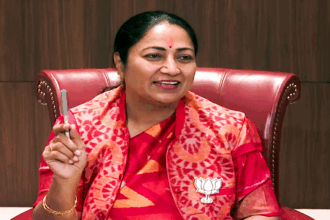
Chief Minister Rekha Gupta, who also holds the finance portfolio, described the MoU as a “transformational milestone” for Delhi’s fiscal governance. She noted that earlier governments had failed to adopt structured banking practices, leaving long-term gaps in financial management. With the RBI now overseeing public finances, Delhi is aligning itself with international best practices in public finance management. This change is expected to bring greater transparency, lower borrowing costs, and improved fiscal discipline.
The agreement also addresses broader economic efficiency. By centralizing debt and cash flow management, Delhi can better plan its borrowing, reduce unnecessary interest expenses, and invest surplus funds productively. For instance, rather than keeping funds idle in government accounts, surplus cash will now be deployed through professional investment strategies. This ensures that every rupee is put to optimal use, supporting long-term fiscal sustainability and economic stability.
The MoU comes at a time when Indian states are increasingly under pressure to manage public finances efficiently while maintaining development programs. With the RBI acting as Delhi’s banker and debt manager, the government can now focus on policy priorities, infrastructure development, and social programs while leaving professional cash and debt management to the central bank. This also strengthens investor confidence in Delhi’s financial management, potentially leading to smoother access to market borrowings in the future.
The MoU officially comes into effect on January 9, 2026, marking the start of a new framework for Delhi’s public finance. Analysts expect that this move will enhance cash flow efficiency, lower borrowing costs, and improve fiscal discipline, aligning the capital’s finances with modern public finance standards. By adopting a professional approach to debt and cash management, Delhi is now better equipped to handle its financial obligations, maintain stability, and plan for sustainable growth.
In short, the Delhi government’s partnership with the RBI represents a landmark reform in public finance. With structured borrowing, professional cash management, and central oversight, the city is setting a model for fiscal governance that could inspire other states. This MoU strengthens Delhi’s financial framework, reduces risk, and ensures that resources are managed efficiently to meet the capital’s growing developmental needs.