



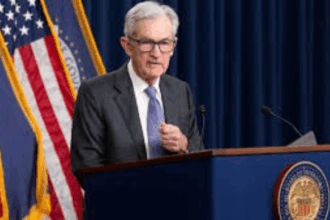
The U.S. Department of Justice (DOJ) has served the Federal Reserve with grand jury subpoenas, an unprecedented move confirmed by Federal Reserve Chair Jerome Powell on Sunday, January 11, 2026. The subpoenas are reportedly connected to Powell’s Senate testimony last June regarding a multi-year $2.5 billion renovation project at the Federal Reserve headquarters. The legal threat comes with the potential of a criminal indictment, raising concerns about the independence of the U.S. central bank, monetary policy autonomy, and political influence on interest rate decisions.
Powell strongly defended the Federal Reserve’s independence, emphasizing that the subpoenas were not genuinely about the renovation project or congressional oversight. Instead, he argued the action was a pretext for political pressure, aimed at influencing the Fed’s interest rate policy, which is based on economic data, inflation trends, and employment metrics, rather than political preferences. Powell reiterated his commitment to maintain unbiased monetary policy, continue serving the American people, and uphold the integrity of the Federal Reserve System.
The subpoenas relate to the renovation of two historic Fed office buildings, a project criticized by some as excessively expensive, including allegations of VIP areas and extravagant design features. Powell has repeatedly stated that these claims were inaccurate and that the project’s designs had evolved naturally over time. He framed the DOJ’s legal threat as politically motivated, emphasizing that it highlights a broader tension between fiscal oversight, political influence, and central bank independence.
Markets reacted swiftly to the news. The U.S. dollar weakened against major currencies, reflecting uncertainty over the potential politicization of monetary policy decisions. Gold prices surged, reaching record levels as investors sought safe-haven assets amid fears of market instability. S&P 500 futures fell by 0.3%, signaling caution among traders digesting the implications of DOJ action against the Fed. Analysts note that any threat to central bank autonomy can create volatility in foreign exchange markets, commodity markets, and equity indices.
Legal experts highlight that it is highly unusual for the DOJ to subpoena a central bank or threaten a criminal indictment against its leader. Such a move could set a precedent for U.S. financial governance, potentially influencing how future administrations interact with the Federal Reserve and how the Fed enforces interest rate policy, quantitative tightening, and monetary stimulus programs. Powell’s insistence on data-driven decision-making underscores the importance of central bank credibility, economic stability, and inflation control in the U.S. financial system.
In his statement, Powell stressed: “The threat of criminal charges should be seen in the broader context of the administration’s threats and ongoing pressure. This is about whether the Fed will continue to set interest rates based on economic evidence, or whether monetary policy will be dictated by political pressure. I intend to continue doing my job with integrity and a commitment to serving the American people.”
The situation sheds light on the delicate balance between political authorities and independent central banks. It also emphasizes the risks of government intervention in fiscal and monetary policy, and the impact such tensions can have on investor confidence, currency stability, and financial markets globally. Analysts are watching closely as the case unfolds, noting that its outcome could have far-reaching consequences for the U.S. economy, interest rate management, inflation targeting, and the credibility of Federal Reserve policy frameworks.
In summary, the DOJ subpoenas to the Federal Reserve and potential indictment against Chair Jerome Powell mark a historic moment in U.S. financial governance. While the legal issues center on a Fed building renovation project, the broader implications concern central bank independence, monetary policy decision-making, and economic stability, with immediate effects on currency markets, gold prices, equities, and investor sentiment worldwide. Powell’s firm stance highlights the ongoing tension between political oversight and central bank autonomy, reinforcing the importance of evidence-based interest rate policy and unbiased economic governance.