



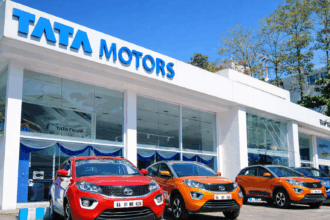
As India prepares for Union Budget 2026, Tata Motors has made a clear request to the government, provide targeted policy relief for entry level electric vehicles. While electric mobility has grown steadily in India, the company believes that lower-priced EVs still face heavy cost pressure and need extra support to remain attractive for everyday buyers.
Tata Motors says the overall passenger vehicle market has seen demand improve, helped by recent government measures such as GST reforms, repo rate cuts, and changes in the tax structure. These steps have supported car sales in general. However, the company points out that the entry level EV segment has not benefited equally. In fact, GST reforms that reduced prices of petrol cars have unintentionally increased competition for affordable EVs, making it harder for small electric cars to compete on price.
Shailesh Chandra, Managing Director and CEO of Tata Motors Passenger Vehicles, explained that while higher priced vehicle segments have managed cost pressures better, entry-level EVs remain under strain. According to the company, additional government support is needed to bridge the price gap between electric and petrol vehicles, especially for first-time buyers who are highly price sensitive.
One of Tata Motors’ key requests for the Budget is the introduction of targeted incentives for lower-priced electric vehicles. Such incentives could reduce upfront costs, improve affordability, and speed up EV adoption among middle-income consumers. The company believes this step is important to keep India’s electrification momentum strong at the mass-market level.
Tata Motors has also asked the government to extend benefits under the PM E-DRIVE scheme to fleet electric vehicles. At present, fleet EVs such as taxis and ride-hailing cars are not covered under this program. The company argues that although fleet EVs make up only about 7% of total passenger vehicle sales, they account for nearly one-third of total passenger-kilometres travelled. This means fleet electrification can significantly reduce fuel consumption, lower emissions, and cut oil imports. Including fleet EVs under PM E-DRIVE could therefore deliver outsized environmental and economic benefits.
Apart from policy concerns, Tata Motors has also highlighted rising cost pressures across the industry. Commodity price increases and currency fluctuations have impacted company margins by roughly 2% of revenue. These costs have not yet been fully passed on to customers. As a result, the company has hinted that vehicle price increases may be announced soon, following similar moves by other automakers facing input cost inflation.
The broader industry trend shows that while GST cuts once offered temporary pricing relief, rising input costs are now eroding those gains. This explains why Tata Motors is pushing for fresh incentives focused specifically on EVs. Without additional support, affordable electric vehicles could lose competitiveness against lower-priced petrol cars, slowing down India’s transition to cleaner transport.
In summary, Tata Motors’ Budget 2026 appeal is centred on one message, entry level EVs need targeted government backing to survive rising cost pressures and stay within reach of mass-market buyers. The company believes that timely incentives, along with expanded support for fleet electrification, can strengthen India’s EV ecosystem, support domestic manufacturing, and advance national climate goals. The government’s response in the upcoming Budget will be closely watched by the auto industry and clean-mobility investors alike.