




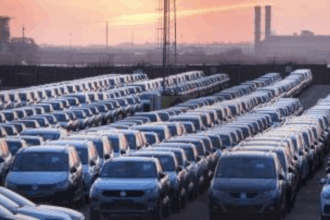
South Africa is considering a significant increase in import tariffs on vehicles from China and India, potentially raising duties on fully built passenger cars from around 25% to 50%. This move is designed to protect the local automotive industry, which has been negatively impacted by a surge in low-cost imports over the past several years. Under World Trade Organization (WTO) rules, South Africa is legally allowed to impose tariffs up to 50%, giving the government room to act if it decides higher duties are needed.
The proposal comes in response to a sharp rise in vehicle imports. In 2024, cars from China made up 53% of total vehicle imports, while Indian cars accounted for 22%. Over the past four years, Chinese vehicle imports surged by roughly 368%, and Indian imports increased about 135%. This flood of affordable vehicles has put pressure on local manufacturers, especially in the entry-level passenger car segment, squeezing profit margins and intensifying competition.
The South African government, led by the Department of Trade, Industry and Competition (DTIC), has outlined several objectives behind the tariff proposal. Higher duties are intended to shield domestic manufacturers, encourage local production and investment, and rebalance market share so that locally produced vehicles capture a larger portion of sales. The government is also reviewing possible excise duties on luxury vehicles and adjustments to rebate systems in the automotive sector.
The proposed tariffs could apply not only to fully built vehicles but also to vehicle components, with duties potentially adjusted in the 10–12% range, depending on the country of origin. While higher tariffs on components affect imported parts, raising tariffs on fully built cars directly influences the final products that consumers purchase.
The impact on the auto sector and trade is significant. Local vehicle production in South Africa has often fallen short of past targets, and imported cars dominating cheaper market segments have compressed margins for assembly plants. The automotive sector is a key source of employment and export earnings, so protecting it has broader economic and social implications. For India and China, a potential rise in tariffs would reduce competitiveness for exporters, including automakers like Tata Motors, Mahindra, and other manufacturers relying on South African sales.
Interestingly, this protectionist move comes even though South Africa, India, and China are all BRICS members, highlighting that countries may still prioritize domestic industry protection over broader geopolitical or trade alliances. The proposal demonstrates how WTO rules allow countries to manage import surges while remaining compliant with international trade obligations.
If implemented, these higher tariffs could help stabilize South Africa’s domestic automotive industry, protect jobs, and encourage local investment. However, consumers may face higher prices for imported vehicles, and exporters from India and China could experience challenges in one of Africa’s key automotive markets. Overall, the proposal reflects a balancing act between trade liberalization and protecting domestic industries, illustrating how countries use tariff policies strategically to safeguard local economic interests.