




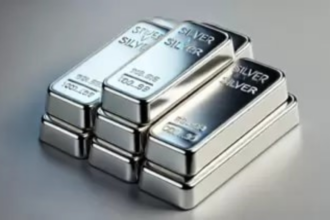
Precious metal prices witnessed some weakness in early trade as rising crude oil prices affected market sentiment. Silver prices on the Multi Commodity Exchange declined while gold prices also slipped slightly. The main reason behind this movement is the surge in global crude oil prices, which has raised inflation concerns and reduced expectations that the Federal Reserve will cut interest rates soon.
In early trading, silver prices fell about 0.7% to around ₹2,66,001 per kilogram. Gold prices also declined by roughly 0.3% to about ₹1,59,764 per 10 grams. However, both metals later recovered some of their losses during the session as the US dollar weakened slightly, which provided some support to the precious metals market.
The major factor influencing gold and silver prices is the sharp rally in crude oil. Oil prices have surged because of geopolitical tensions in West Asia, especially the ongoing conflict involving Iran. Higher crude oil prices typically increase inflation risks globally because energy is a key input in transportation, manufacturing, and logistics. When fuel prices rise, it often pushes up the cost of goods and services across the economy.
Because of these inflation concerns, central banks like the Federal Reserve tend to delay interest rate cuts. Investors had earlier expected the US central bank to begin easing monetary policy this year. However, rising oil prices have made the outlook more uncertain, as policymakers may keep interest rates higher for longer to control inflation.
Interest rates have a direct impact on precious metals like gold and silver. These metals do not provide regular income such as interest or dividends. When interest rates remain high, investors may prefer interest-bearing assets such as bonds instead of holding gold or silver. This increases the opportunity cost of holding precious metals, which can put pressure on their prices.
Currency movements also play an important role in the precious metals market. Gold and silver are priced globally in US dollars. When the dollar strengthens, metals become more expensive for international buyers, which can reduce demand. On the other hand, a weaker dollar can make precious metals more affordable, supporting prices. In the current session, a slightly softer dollar helped limit the fall in gold and silver prices.
Market analysts are also closely watching key technical levels for both metals. Silver is currently trading near important support levels, while resistance zones lie slightly higher. For gold, prices remain in a consolidation range and are highly sensitive to macroeconomic developments such as oil prices, interest-rate expectations, and geopolitical tensions.
Overall, the movement in gold and silver prices reflects the strong link between commodity markets, interest-rate expectations, and global geopolitical developments. As crude oil prices remain volatile due to the Middle East conflict, precious metals may continue to experience fluctuations in the near term.