



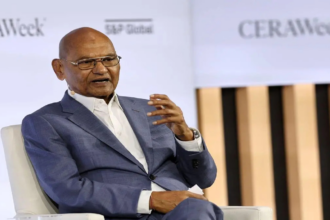
Vedanta Limited is set to undergo a major restructuring by splitting into five separate listed companies, with the demerger expected to take place in April 2026. The move is part of a long-term strategy aimed at simplifying the company’s structure, reducing debt, and unlocking shareholder value.
Post-demerger, the existing conglomerate will be divided into five independent entities, each focusing on a specific business vertical. These include aluminium, base metals, steel and iron, power, and energy businesses such as Malco Energy. The resulting structure will allow each business to operate independently with its own management and growth strategy.
The restructuring has been in the works for several years and reflects a broader shift toward focused business models. Instead of operating as a diversified conglomerate, Vedanta aims to create specialized companies that can be valued individually by the market.
One of the primary objectives of the demerger is value unlocking. The company is currently valued at around $27 billion, and its leadership expects the combined valuation of the five entities to exceed this figure. This expectation is based on the premise that investors typically assign higher valuations to focused, sector-specific businesses compared to diversified conglomerates.
Debt reduction is another key driver behind the move. Vedanta currently carries debt of approximately $11 billion, of which around $7 billion is expected to be distributed across the newly formed entities. This redistribution is intended to make debt levels more manageable for each business and improve financial flexibility.
Operational efficiency is also expected to improve post-split. Each entity will have greater autonomy in decision-making, enabling better capital allocation and more targeted strategies tailored to specific industries.
In terms of ownership, control will remain largely centralized. A privately held parent company controlled by Anil Agarwal will retain approximately 50% stake in each of the five companies. This ensures that while operations become independent, strategic control continues under the same promoter group.
The demerger plan received approval from a tribunal in December 2025, although it faced earlier resistance from the Indian government. Concerns were raised about the potential impact on the recovery of dues from the company. Despite these challenges, the restructuring is now moving forward.
The company plans to list the four newly created entities on Indian stock exchanges, with a targeted timeline of mid-May 2026. This will mark the completion of a multi-year transformation effort that began in 2023.
The move reflects a broader trend in corporate restructuring, where large conglomerates are increasingly breaking into focused units to improve transparency, efficiency, and investor appeal.
Overall, Vedanta’s planned demerger represents a strategic shift toward a simpler, more focused corporate structure, with the potential to enhance value and improve financial health over the long term.