




The recent fall in the stock market is not just because of Trump’s tariffs or foreign investors selling their holdings. While these factors have played a role, they are not the only reasons behind the decline. Market ups and downs are a natural part of investing, and they will continue.
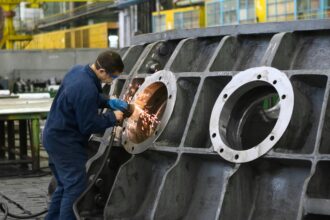
India’s manufacturing sector has shown signs of slowing down, reaching its lowest level in 14 months. The HSBC India Manufacturing Purchasing Managers’ Index (PMI) dropped to 56.3 in February, down from 57.7 in January. This decline marks the lowest reading since December 2023, raising concerns about economic momentum.
This slowdown comes after the government’s second advance estimate for GDP growth, which projected a 7.6% expansion in Q4FY24. However, some economists believe this forecast may be too optimistic, given the weakening signs in key economic indicators.
High-frequency indicators, such as two-wheeler sales and fuel consumption, showed slower growth compared to the previous quarter. Private consumption, a major driver of the economy, has also moderated, affecting overall activity.
Despite this, new business orders remained strong, and companies continued to receive a healthy flow of export orders. This suggests that Indian manufacturers are benefiting from global demand, even as domestic conditions soften.
Rising costs are another challenge for manufacturers. Companies reported higher prices for raw materials like bamboo, leather, rubber, and telecom equipment. However, the rate at which costs are increasing has been the slowest in 3 years, providing some relief.
On the employment front, businesses have continued hiring, marking one year of sustained job growth. This indicates that firms remain optimistic about the future and expect demand to pick up in the coming months.
Looking ahead, business sentiment remains positive. About one-third of surveyed companies believe their output will increase in the next year. While challenges persist, firms are hopeful that client demand will stay strong, supporting future growth.