



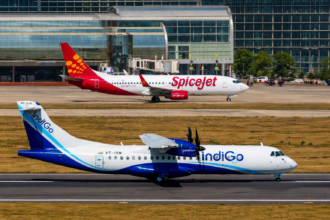
Shares of aviation companies, including InterGlobe Aviation and SpiceJet, came into focus after the government increased the windfall tax on aviation turbine fuel (ATF), adding further pressure to an already strained cost environment for airlines. The move comes amid rising global energy prices and supply concerns linked to geopolitical tensions.
The government has raised the windfall duty on ATF to ₹42 per litre from ₹29.5 per litre earlier, marking a sharp increase. The policy aims to ensure higher domestic availability of fuel by discouraging exports, especially at a time when global supply chains remain disrupted due to the ongoing West Asia conflict. By retaining more fuel within the country, authorities are attempting to stabilise supply, though it comes at a cost for aviation companies.
This development coincides with a steep rise in jet fuel prices. ATF prices have more than doubled in recent weeks, reaching record levels of around ₹2.07 lakh per kilolitre. In Delhi alone, prices have surged significantly, reflecting the sharp increase in input costs faced by airlines. Since ATF is a deregulated fuel linked to global crude oil prices, airlines have limited control over such cost escalations.
The combined impact of higher fuel prices and increased taxation is expected to significantly raise operating costs for airlines. Fuel typically accounts for a substantial portion of an airline’s expenses, and any increase directly affects profitability. To manage this pressure, airlines have begun passing on part of the cost to passengers. IndiGo, for instance, has revised its fuel surcharge structure, increasing charges across both domestic and international routes based on distance.
From a market perspective, the development introduces a potential headwind for aviation stocks, which had seen a strong rally in recent sessions. While shares of InterGlobe Aviation and SpiceJet have gained momentum recently, the rise in fuel costs and taxes raises concerns about margin sustainability going forward. The sector now faces a challenging environment where companies must balance rising input costs with price-sensitive demand.
Overall, the situation reflects a broader trend where global energy dynamics are directly influencing domestic industries. Higher crude oil prices, coupled with policy interventions, are creating a cost squeeze for airlines, which may eventually translate into higher airfares for consumers. Investors are likely to closely monitor how airlines navigate this pressure and whether demand remains resilient amid rising ticket prices.