



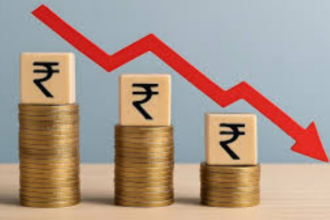
The Indian rupee has fallen past the ₹94 mark against the US dollar for the first time, hitting levels between ₹94.15 and ₹94.30, marking a historic low for the currency. This sharp depreciation represents one of the steepest declines in recent years and reflects a combination of global and domestic pressures.
A major trigger behind the fall has been escalating geopolitical tensions in the Middle East, particularly involving Iran. The uncertainty stemming from the conflict has led to a risk-off sentiment in global markets, prompting investors to shift capital toward safer assets like the US dollar. This has strengthened the dollar while weakening emerging market currencies, including the rupee.
Rising crude oil prices have further intensified the pressure. Oil prices have crossed $100 per barrel amid the ongoing conflict. As India imports a significant portion of its oil requirements, higher prices increase the country’s demand for dollars to pay for imports. This surge in dollar demand puts additional downward pressure on the rupee.
Foreign institutional investor (FII) outflows have also contributed to the currency’s decline. Continued selling in Indian markets has led to the conversion of rupees into dollars, increasing demand for the US currency and further weakening the rupee.
Global financial conditions have compounded the situation. Rising US bond yields and a stronger dollar environment have attracted capital toward US assets, drawing funds away from emerging markets. This shift has added to the pressure on the rupee.
At a structural level, higher oil import bills raise concerns around India’s current account deficit, as more dollars flow out of the country. This imbalance creates sustained pressure on the currency over time.
The magnitude of the fall has been significant. The rupee has declined by approximately 3.5% since the onset of the conflict and about 10% over the past year, making it one of the sharpest declines since the 2013 taper tantrum.
Financial markets have reacted sharply to the currency movement. Equity markets saw a steep decline, with the Sensex falling by around 1,000 points and approximately ₹5 lakh crore in market capitalisation being wiped out. In the debt market, the yield on the 10-year government bond rose to about 6.96%, indicating increased stress.
Looking ahead, analysts suggest that the rupee could weaken further toward ₹98 per dollar if current pressures persist. Continued geopolitical tensions, elevated crude oil prices, and ongoing capital outflows remain key risks for the currency.
Overall, the rupee’s fall reflects a chain reaction of global events and domestic vulnerabilities, where rising oil prices, capital outflows, and a stronger dollar collectively drive currency depreciation.