



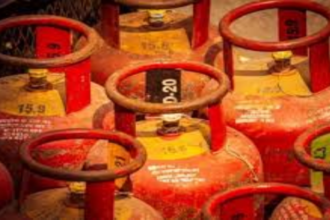
Commercial LPG prices in India have been hiked again, adding fresh pressure on the food and hospitality sector. The increase directly impacts restaurants, hotels, and quick-service restaurant (QSR) chains that rely heavily on LPG for cooking operations.
According to reports, the price of a 19-kg commercial LPG cylinder has increased by ₹114.5, taking the price in Delhi to around ₹1,883 per cylinder. This marks another step in a series of hikes, with prices rising by over ₹300 so far this year.
The surge in LPG prices is largely driven by global factors. Geopolitical tensions in the Middle East, particularly involving Iran, have disrupted global energy supply chains. A key concern has been the Strait of Hormuz, a critical route through which a significant portion of global oil and gas shipments pass. Any disruption in this route leads to tighter supply and higher global energy prices, which eventually reflect in domestic LPG pricing.
As a result, commercial LPG prices in India are rising in line with global benchmarks, impacting businesses that depend on it as a key input cost.
Companies such as Jubilant FoodWorks, Westlife Foodworld, and The Indian Hotels Company are directly in focus due to their heavy dependence on LPG for food preparation.
For these companies, rising LPG prices translate into higher operating costs. Since LPG is a core component of kitchen expenses, any increase directly affects margins. If companies choose not to pass on the higher costs, their profitability may decline. If they do increase menu prices, there is a risk of reduced customer demand, especially in a price-sensitive market.
This creates a classic trade-off between margins and demand. Businesses must balance absorbing costs versus passing them on to consumers.
The impact is not limited to individual companies but extends across the entire hospitality and food service ecosystem, including restaurants, hotel chains, and catering businesses.
Consumers are also likely to feel the impact. As operating costs rise, many businesses may increase menu prices to maintain profitability. This leads to higher dining costs, making eating out more expensive.
This situation represents a broader cost-push inflation scenario, where rising input costs, driven by global energy disruptions, flow through the economy and eventually reach end consumers.
In summary, the repeated increase in commercial LPG prices is creating cost pressure for food and hospitality companies. With global geopolitical tensions driving energy prices higher, the sector is facing margin challenges, and the effects are likely to be seen both in corporate earnings and consumer prices.