



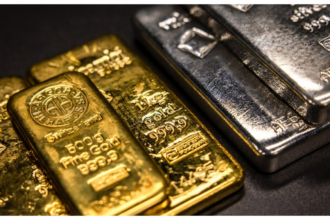
Gold and silver exchange-traded funds (ETFs) witnessed gains of up to 4% in recent trading sessions, tracking a sharp rise in underlying bullion prices. The rally in ETFs mirrors the movement in physical commodities, as these instruments are directly linked to gold and silver prices. The upmove was driven by a combination of global macro developments, particularly easing geopolitical tensions and movements in the currency market.
A key trigger behind the rally was the announcement of a temporary ceasefire in the US–Iran conflict, which helped reduce immediate geopolitical uncertainty. The de-escalation eased concerns around potential disruptions in global energy supply, leading to a cooling of inflation expectations. This shift in sentiment prompted investors to reassess risk across asset classes, creating favourable conditions for precious metals.
Another major factor supporting the rally was the weakening of the US dollar. Following the ceasefire development, the dollar slipped to a one-month low, which had a direct impact on commodity prices. Since gold and silver are globally priced in dollars, a weaker currency makes these metals relatively cheaper for international buyers. This tends to boost demand, resulting in higher prices. The rise in bullion prices, in turn, translated into gains for ETFs tracking these assets.
Gold prices recorded gains of over 2%, while silver also moved higher during the session. ETFs, which are designed to replicate the performance of these commodities, reflected this upward trend, with some funds registering gains of up to 4%. The slightly higher movement in ETFs compared to bullion can be attributed to trading activity, investor inflows, and intraday demand dynamics.
The broader market environment also played a role in shaping this trend. The ceasefire contributed to a decline in crude oil prices, as fears of prolonged conflict and supply disruptions subsided. Lower oil prices typically ease inflationary pressures, which can influence currency movements and investor positioning. The resulting shift from a risk-averse to a more stable environment supported demand for commodities like gold and silver in the short term.
Despite the rally, the movement remains largely event-driven and dependent on external factors. Changes in geopolitical conditions, fluctuations in the US dollar, or a shift in inflation expectations could alter the trajectory of bullion prices. As a result, the sustainability of the current uptrend will depend on how these macro variables evolve in the coming sessions.
In summary, the rise in gold and silver ETFs reflects a combination of geopolitical easing and currency-driven demand. The ceasefire between the US and Iran reduced uncertainty, while a weaker dollar supported global demand for precious metals. Together, these factors contributed to a sharp increase in bullion prices, which was mirrored by gains in ETF performance.