



The Indian government has increased natural gas allocation to the fertiliser sector to around 95% of its recent consumption levels, following partial easing of supply disruptions caused by the ongoing West Asia conflict. The revised allocation, effective April 9, is based on the average consumption of fertiliser plants over the past six months and marks a step toward restoring normalcy after a period of acute energy constraints.
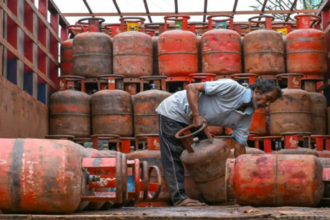
The decision comes in the backdrop of significant disruptions in global energy supply chains triggered by geopolitical tensions in West Asia. The closure of critical transit routes such as the Strait of Hormuz had severely impacted fuel availability, with reports indicating that nearly 90% of LPG imports were affected at the peak of the crisis. Given India’s heavy dependence on imported energy, particularly LPG and liquefied natural gas (LNG), the disruption created a supply shock across multiple sectors of the economy.
During the height of the crisis in March 2026, the government had prioritised fuel allocation toward essential household consumption, particularly cooking gas. As a result, industrial and commercial sectors, including fertiliser manufacturers, faced restricted access to fuel. This emergency prioritisation ensured continuity in household energy supply but led to reduced availability for sectors dependent on gas as a critical input.
With a temporary easing of geopolitical tensions following a ceasefire and improvement in supply conditions, the government has begun recalibrating allocations. Improved inventory levels and the arrival of scheduled LNG cargoes have provided some relief, enabling authorities to gradually restore fuel supply to key industries. The fertiliser sector, given its strategic importance, has been among the first to see near-normal allocation levels.
Natural gas is a crucial feedstock in fertiliser production, and any disruption in its availability can directly impact output. Lower fertiliser production has the potential to disrupt agricultural cycles, affect crop yields, and contribute to food inflation. By increasing gas allocation to 95%, the government aims to ensure stability in fertiliser production and safeguard the broader agricultural ecosystem.
Alongside fertilisers, other sectors have also seen a partial restoration in fuel supply. LPG allocation for industrial use has been increased to about 70% of pre-crisis consumption levels. Additionally, gas supply to industrial and commercial users, as well as city gas distribution networks, has been raised by around 10%. These measures indicate a gradual normalization of supply conditions, although allocations remain below full capacity in some segments.
Further, refineries have been directed to supply key fuel derivatives such as propane, butane, and propylene to critical industries, including pharmaceuticals, food processing, chemicals, and public distribution systems. This step is aimed at supporting essential sectors that rely on these inputs for production and supply continuity.
The move also highlights India’s vulnerability to global energy shocks. The country consumes approximately 33 million tonnes of LPG annually, with around 60–65% of its requirement met through imports. This dependence makes domestic supply chains highly sensitive to geopolitical developments, particularly in energy-exporting regions like West Asia.
Overall, the increase in gas allocation to the fertiliser sector reflects a calibrated policy response to evolving global conditions. While the government initially prioritised household energy needs during the peak of the crisis, it is now shifting focus toward restoring supply to critical economic sectors. By ensuring near-normal gas availability for fertiliser production, authorities are seeking to protect agricultural output and maintain stability in food supply, even as uncertainties in global energy markets persist.